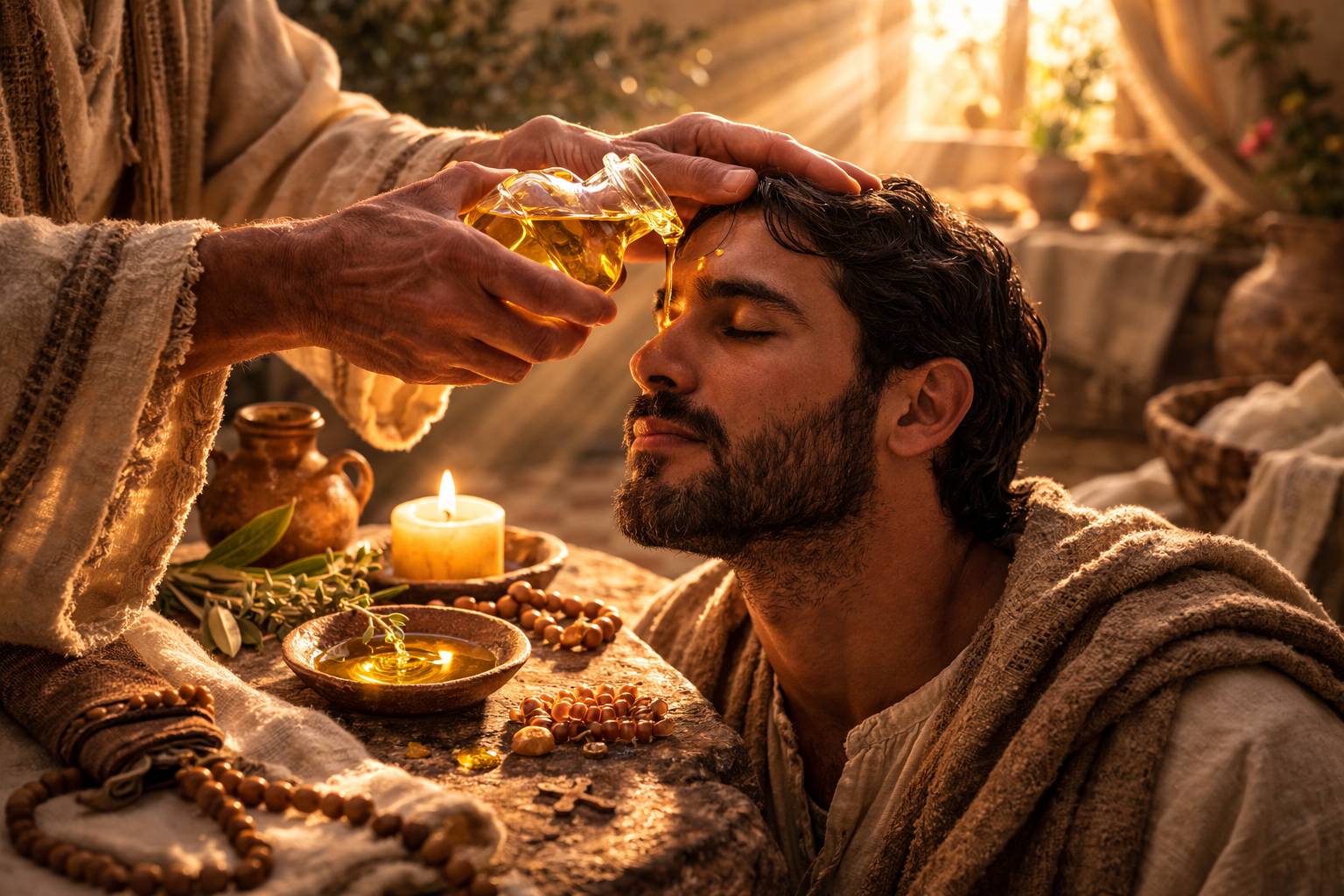
Anointing Oil for Healing: What the Bible Says About Divine Health
Anointing Oil for Healing: What the Bible Says About Divine Health
Throughout Scripture, anointing oil for healing emerges as a practice intertwined with faith, prayer, and God's desire for our wholeness. The Bible doesn't speak of anointing oil as a magical cure, but rather as part of a holistic approach to healing that integrates physical action, sincere prayer, and trust in God's restorative power. This comprehensive guide explores what Scripture teaches about healing anointing oils and how you can incorporate this ancient practice into your own health and wellness journey.
The Biblical Foundation for Healing Anointing Oils
The most explicit instruction regarding anointing oil for healing appears in the Book of James. James 5:14-15 states: "Is any one of you in trouble? He should pray. Is anyone happy? Let him sing songs of praise. Is any one of you sick? He should call the elders of the church to pray over him and anoint him with oil in the name of the Lord. And the prayer offered in faith will make the sick person well; the Lord will raise him up."
This passage reveals several important truths about healing anointing oils:
- Healing is multifaceted: It involves prayer, faith, community, and the anointing oil together
- Intent matters: The anointing is done "in the name of the Lord," signifying it's not the oil itself but God's power that heals
- Faith is essential: "The prayer offered in faith will make the sick person well"
- Community supports healing: Church elders gather together for intercession and anointing
Understanding Divine Health in Scripture
The biblical concept of healing extends beyond curing illness to encompass wholeness—spiritual, emotional, mental, and physical well-being. The Hebrew word "shalom" often translated as "peace" also encompasses this complete restoration. When we pray for healing using anointing oil, we're inviting God to bring wholeness to every dimension of our being.
Jesus modeled this holistic healing throughout His ministry. He healed physical ailments, but He also addressed spiritual, emotional, and relational brokenness. His healing work always pointed toward restoration of the whole person and renewal of their relationship with God.
Old Testament Examples of Healing Anointing
While the Old Testament doesn't use the exact phrase "anointing oil for healing," it establishes a foundation for understanding oil's restorative properties. In Isaiah 1:6, the prophet describes anointing with oil as part of wound treatment. In Psalm 23:5, David speaks of his head being anointed with oil in the context of comfort and restoration.
These references suggest that anointing oil was understood as part of ordinary healing practices, yet when done with faith and prayer, it became a spiritual act that invited God's healing presence into physical restoration.
Types of Healing Anointing Can Address
Healing anointing oil addresses multiple dimensions of wholeness:
- Physical healing: Recovery from illness, injury, and disease
- Emotional healing: Freedom from trauma, anxiety, and emotional pain
- Mental healing: Clarity, peace of mind, and freedom from negative thought patterns
- Spiritual healing: Reconciliation with God, freedom from spiritual oppression
- Relational healing: Restoration of broken relationships and community
Selecting the Right Oil for Healing
Different anointing oils support different types of healing. Consider your specific situation:
- For physical restoration: Frankincense & Myrrh and Hyssop are traditionally used for healing
- For emotional healing: Rose of Sharon brings grace and comfort
- For spiritual cleansing during healing: Hyssop supports purification and release
- For mental clarity during recovery: Frankincense deepens spiritual focus and peace
- For breakthrough and restoration: Latter Rain invites God's abundance into healing
How to Anoint for Healing: A Practical Guide
For personal healing: Place a small amount of anointing oil on your fingertip. Anoint the area of concern if accessible—hands, feet, forehead, or heart area. As you anoint, pray specifically: "Lord Jesus, I invite your healing touch into this area. I trust your restorative power and ask for wholeness in body, mind, and spirit."
For praying over another: With their permission, anoint their forehead or hands. Pray aloud for their healing, naming specific areas of concern if they've shared them with you. Speak words of faith and encouragement, reminding them of God's power to restore.
For chronic conditions: Consider making anointing a regular part of your prayer practice. Many people anoint themselves daily while praying for healing from ongoing health challenges, creating a consistent spiritual rhythm that supports their physical treatment.
Combining Anointing with Medical Care
Scripture's teaching on healing anointing doesn't dismiss medical care. Rather, anointing oil represents spiritual engagement with healing while you pursue appropriate medical treatment. God works through both prayer and medicine, through both faith and wisdom. Many find that combining medical treatment with prayer and anointing oil creates a comprehensive approach to healing.
The Role of Faith in Healing
James 5:15 emphasizes that "the prayer offered in faith will make the sick person well." Faith is central to healing anointing. This doesn't mean you must achieve perfect belief—even mustard-seed faith is sufficient. Rather, faith involves trusting that God hears your prayer, cares about your condition, and has the power to heal. It means releasing your anxiety to God and expecting Him to work.
Community and Intercessory Anointing
Scripture suggests that anointing is often most powerful when done in community. If you're comfortable doing so, invite trusted friends or church leaders to anoint and pray with you. Their intercession, combined with your faith, creates a powerful spiritual atmosphere for healing. Many find that being anointed and prayed over by others strengthens their hope and invites greater divine blessing.
Dealing with Disappointment in Healing
Sometimes we anoint ourselves or others in faith, yet healing doesn't come as we hoped. This raises difficult questions about God's will and the nature of faith. Scripture acknowledges that sometimes healing comes slowly, sometimes it takes different forms than we expected, and sometimes our greatest healing is learning to trust God through suffering rather than being freed from it.
This doesn't invalidate healing anointing practice. Rather, it invites us into deeper faith—believing God is good even when circumstances are difficult, trusting His wisdom even when we don't understand His timing, and knowing that He walks with us through suffering toward ultimate wholeness.
Strengthening Your Healing Anointing Practice
To develop a meaningful healing anointing practice:
- Be specific in prayer: Name the situation clearly and articulate what wholeness looks like to you
- Anoint regularly: Create a rhythm that keeps you engaged with your healing prayer
- Speak words of faith: Use Scripture and affirmations to strengthen your belief
- Invite others: Let community support and intercede with you
- Remain open: Be willing to receive healing in whatever form God provides
Conclusion: Partnering with God for Wholeness
Anointing oil for healing represents a partnership between human faith and divine power. By anointing ourselves and others with oil while praying in faith, we participate in God's restorative work and invite His healing presence into our lives. Whether you're addressing specific physical ailments or seeking wholeness in multiple dimensions of your being, healing anointing oils offer a biblically grounded practice that honors God's desire for our wholeness.
Begin or deepen your healing anointing practice with premium oils from Mount of Olives—crafted with intention to support your faith journey and wholeness.

Written by Mount of Olives