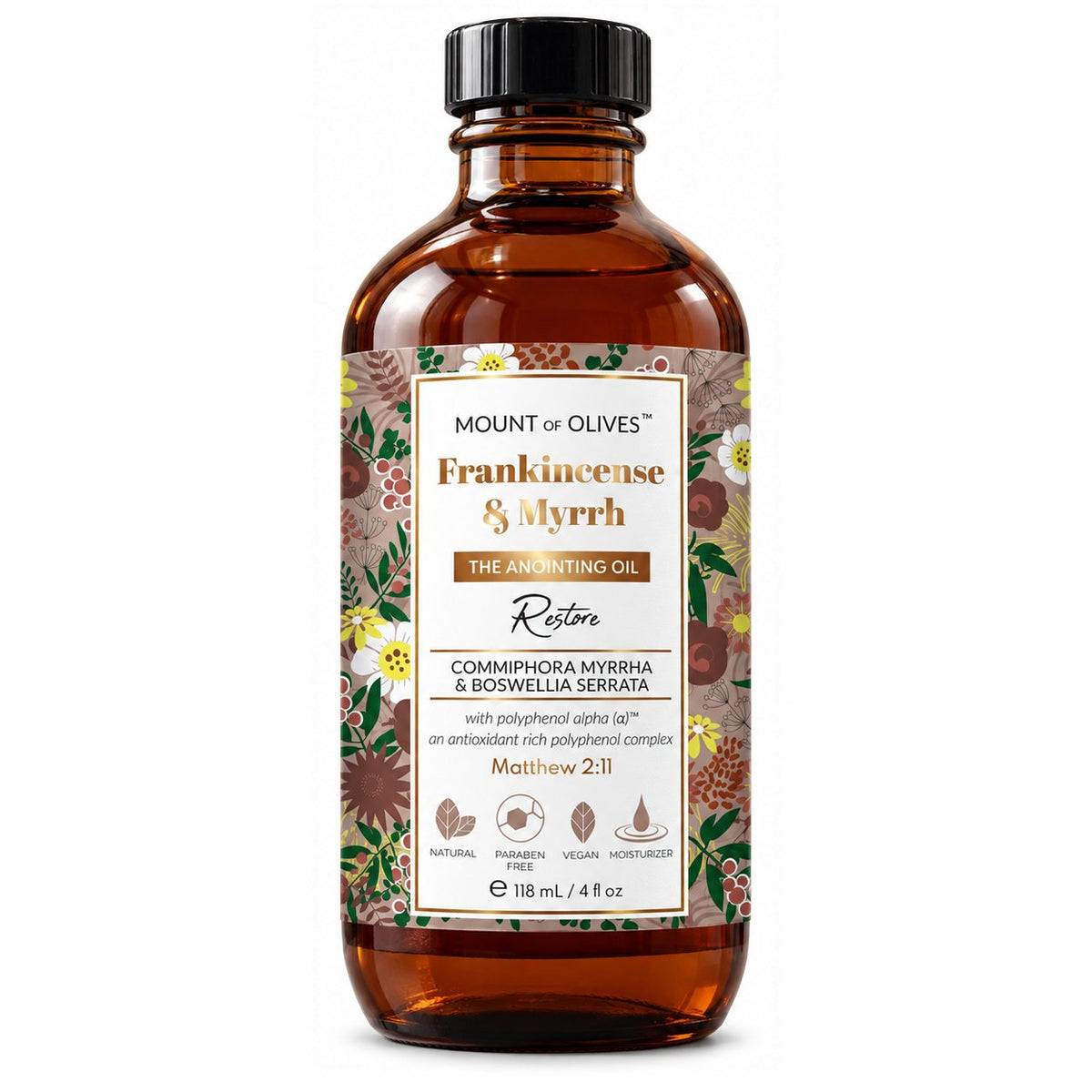



Why do we use anointing oil today?
In my mind, oils always bring to mind several moments in church when friends and church members were anointed with oil. During worship one morning, I remember the elders of the church gathering around a deacon who had just learned of a difficult medical diagnosis. This diagnosis would shorten his life and change the trajectory of his family. Oil was anointed on him as they prayed for healing.
I also vividly remember the moment when I gave my life to Christ. Anointing with oil was performed on me. My forehead was rubbed with a cross, and the foreheads of my newborns were rubbed with oil when they were just days old, as they were dedicated to God. However, that's not the end of my experience with oils. Oils are all the rage today. We use oils to flavor food and to cook with. Aromatherapy even uses oils to diffuse the air in our homes! Modern times certainly have made oil a valuable asset, but that's not the only reason. Despite what most people don't know, oils have been mentioned in the Bible for centuries. Priests and tabernacle furnishings were anointed with anointing oils to mark them as holy, and the sick were anointed in prayer for healing.
Anointing with Oil: What Does It Mean?
There are some who question whether or not anointing oils are biblical and whether or not we should still use them. What does it mean to be anointed and why does the Bible mention oil? 'Anoint' means to consecrate or make sacred in a ceremony that involves applying oil or to dedicate to God, according to Dictionary.com. Throughout Scripture, anointing oil is mentioned twenty times, and it is used five times in the New Testament.
The act of setting apart
Oil was commonly anointed on the heads of Israel's kings. In 1 Samuel 16, the prophet Samuel anoints young David. Samuel also anointed Saul's head. Prophets were also anointed (1 Kings 19:16, Psalm 105:15, 1 Chronicles 16:22). When priests were elected to their positions, they were also anointed (Exodus 29:29; Leviticus 16:32). However, this practice appears to have been limited to high priests in later years.
The tabernacle, certain utensils, and furnishings used in the tabernacle were also anointed with holy oil in order to set them apart (Exodus 25:6; Leviticus 8:30; Numbers 4:16). Exodus 30:23-24 contains the recipe for anointing oil.
As Christ had taught them, the disciples anointed those in need in the New Testament. Mark 6:13: "And they cast out many devils, and anointed with oil many that were sick, and healed them." Catholics are generally known for this practice, but other denominations also perform it. Anointing of the Sick is a biblically-based ceremony performed for those who are extremely ill or about to undergo a major medical procedure. The purpose of this ceremony is to petition God for the individual's physical and spiritual healing.
Is Anointing Oil Supernatural?
There are several references in the New Testament to anointing with oil. Anointing the sick with oil was encouraged by James. Oil is not healing because of its special properties, but because of the community, prayer, and encouragement it brings.
“Is any sick among you? let him call for the elders of the church; and let them pray over him, anointing him with oil in the name of the Lord: And the prayer of faith shall save the sick, and the Lord shall raise him up; and if he have committed sins, they shall be forgiven him,” (James 5:14-15).
According to this passage, we don't have to call the elders of the church every time we catch a cold, cough, or sniffle. "Let him call" indicates this person may be severely ill. Furthermore, it implies that putting your needs before the elders puts your needs before the entire congregation. When we are in need, we go to our elders for help because we trust that through their experience, they will be able to handle our needs. As a result, they can convey them to our church body and call for the elders to anoint us? The reason for this is not that the oil has supernatural powers in this situation, but that the purpose of anointing with oil is to symbolize consecration to God as it does in (Numbers 89:20, Psalm 23, and 1 Samuel 10:1.
The act of anointing with oil expresses the spiritual truth: we belong to God and we believe He will take care of us. Praying with the elders expresses our needs in words and spirit, while anointing expresses this point in action.
The Anointed One: Who Is He?
The Old Testament promises a "Deliver" who is our Anointed and Messiah. His anointing is not with oil, but with spiritual power.
"The Spirit of the Lord God is upon me; because the Lord hath anointed me to preach good tidings unto the meek; he hath sent me to bind up the brokenhearted, to proclaim liberty to the captives, and the opening of the prison to them that are bound,” Isaiah 61:1
"The Spirit of the Lord is upon me, because he hath anointed me to preach the gospel to the poor; he hath sent me to heal the brokenhearted, to preach deliverance to the captives, and recovering of sight to the blind, to set at liberty them that are bruised," Luke 4:18.
"The kings of the earth set themselves, and the rulers take counsel together, against the Lord, and against his anointed," Psalm 2:2.
“And after threescore and two weeks shall Messiah be cut off, but not for himself: and the people of the prince that shall come shall destroy the city and the sanctuary; and the end thereof shall be with a flood, and unto the end of the war desolations are determined,” Daniel 9:26
These passages declare Jesus is our anointed Savior who then proclaims these words in Luke 4:18. Jesus says He anointed One who was anointed with the Holy Spirit. Several passages in the New Testament confirm He is indeed the Anointed (John 1:41; Acts 9:22; Acts 17:2, 3; Acts 18:4, 28).
What is the Biblical basis for anointing with oil today?
Anointing with oils is still appropriate today for Christ-followers? As long as we remember that anointing with oil is a symbolic act, there is no reason not to do so. There is no prohibition in Scripture against this act since we have the Anointed One who guides us in all truth. As stated in 1 John 2:20, "But ye have an unction from the Holy One, and ye know all things."

Written by Mount of Olives