Anointing with Oil: A Complete Biblical Guide to This Sacred Practice
What Is Anointing with Oil? A Complete Biblical Guide
Anointing with oil is the ritual act of applying sacred oil to a person or object as an expression of God's blessing, consecration, and empowerment. Throughout the Bible, anointing oil served as a tangible sign of the Holy Spirit's presence and God's selection of individuals for specific purposes — from kings and priests to the sick and suffering.
The practice spans both the Old and New Testaments, connecting ancient Israel's most sacred ceremonies to the ongoing spiritual practices of Christians worldwide today.
Anointing in the Old Testament
The Sacred Anointing Oil
God gave Moses a specific recipe for sacred anointing oil in Exodus 30:22-33, containing myrrh, cinnamon, cane, cassia, and olive oil. This holy oil was used to consecrate the Tabernacle, its furnishings, and the priests who served there — setting them apart as qodesh, or "holy."
Anointing Kings and Prophets
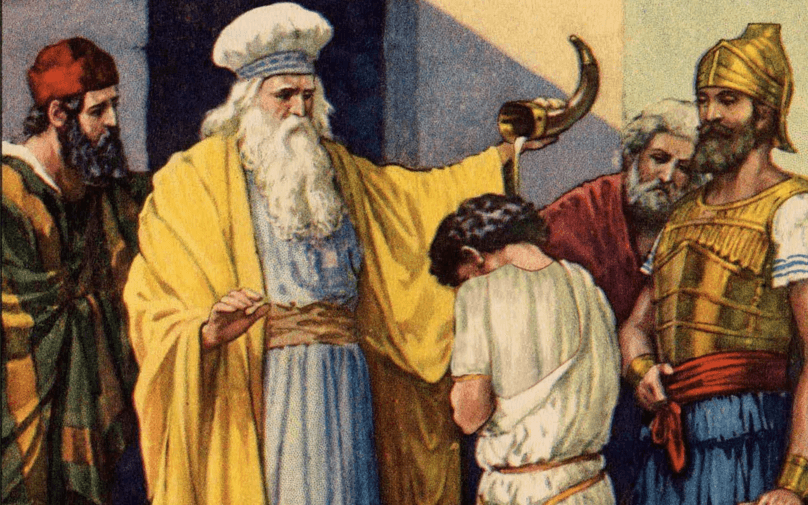
The prophet Samuel anointed both Saul (1 Samuel 10:1) and David (1 Samuel 16:13) as kings of Israel. When the oil was poured over David, "the Spirit of the Lord came powerfully upon David from that day on." This established the pattern: anointing with oil was inseparable from the Holy Spirit's empowerment.
The Messiah — "The Anointed One"
The Hebrew word Mashiach (Messiah) and the Greek Christos (Christ) both mean "The Anointed One." Jesus fulfilled this title completely, anointed not with earthly oil but with the Holy Spirit at His baptism (Luke 4:18; Acts 10:38).
Anointing in the New Testament
The New Testament continues the practice of anointing with oil in several important contexts. Jesus' disciples "anointed many sick people with oil and healed them" (Mark 6:13). James 5:14-15 instructs believers: "Is anyone among you sick? Let them call the elders of the church to pray over them and anoint them with oil in the name of the Lord."
Mary of Bethany anointed Jesus with costly spikenard before His crucifixion (John 12:1-8), an act Jesus described as preparation for His burial and a model of extravagant worship.
Types of Anointing in Scripture
Consecration Anointing
Setting apart people and objects for God's service — priests, kings, tabernacle articles.
Healing Anointing
Applying oil in faith-filled prayer for physical and spiritual healing (James 5:14).
Hospitality Anointing
Anointing guests' heads with oil as a sign of welcome and honor (Psalm 23:5; Luke 7:46).
Devotional Anointing
Personal acts of worship and surrender, as Mary demonstrated with Jesus.
How to Practice Anointing with Oil Today
Many Christians continue to practice biblical anointing as part of prayer, healing ministry, and personal devotion. Whether anointing yourself, a loved one, or your home, the key elements remain the same: faith in God, sincere prayer, and quality anointing oil that honors the biblical tradition.
At Mount of Olives, our anointing oils are crafted with premium olive oil and biblical botanicals, connecting your practice to the sacred tradition of Scripture.
Frequently Asked Questions
What does it mean to be anointed?
To be anointed means to be set apart, consecrated, and empowered by God for a specific purpose. In biblical times, this was symbolized by pouring oil over a person's head, signifying the Holy Spirit's presence and enabling.
What kind of oil is used for anointing?
Olive oil is the primary oil used in biblical anointing. The sacred anointing oil of Exodus 30 combined olive oil with myrrh, cinnamon, cane, and cassia. Today, many believers use olive oil infused with biblical botanicals.
Is anointing with oil still relevant for Christians today?
Yes. James 5:14 specifically instructs New Testament believers to anoint the sick with oil and pray. Many Christian traditions continue this practice for healing, consecration, blessing, and spiritual warfare.
How do you anoint someone with oil?
Apply a small amount of anointing oil to your finger and make the sign of the cross on the person's forehead while praying. You can also anoint hands, specific areas of the body in need of healing, or objects being dedicated to God.

Written by Mount of Olives