The Significance of Anointing Oil: What the Bible Reveals About Holy Oil
What Is the Significance of Anointing Oil in the Bible?
The significance of anointing oil in the Bible centers on its role as a physical symbol of God's spiritual power, presence, and consecration. From the Old Testament tabernacle to the New Testament church, anointing oil represented the Holy Spirit's work in setting apart people and objects for God's holy purposes.
While anointing oil itself holds no magical power, applying it represents your faith in God and His ability to purify, heal, and make things holy.
Holy Anointing Oil in the Old Testament
In Exodus 30:22-33, God gave Moses a specific recipe for sacred anointing oil made of five ingredients: liquid myrrh, sweet cinnamon, aromatic cane, cassia, and olive oil. This holy oil was used to sanctify and set apart the anointed person or object as qodesh, or "holy" (Exodus 30:29).
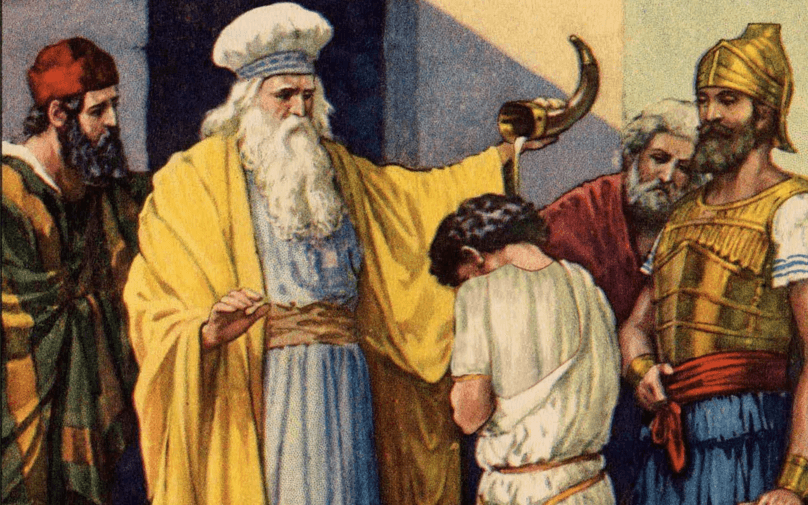
Initially, anointing oil was used exclusively for priests and the articles of the Tabernacle. Its use later extended to kings — when God selected David as Israel's next king, the prophet Samuel anointed him with oil (1 Samuel 16), and the Spirit of the Lord came powerfully upon him from that day forward.
Oil Represents the Presence and Power of the Holy Spirit
Throughout Scripture, oil symbolizes the Holy Spirit. Just as oil was poured over kings and priests to empower them, the Holy Spirit fills believers with power and purpose. When Zechariah saw the golden lampstand fed by olive oil (Zechariah 4:1-6), God declared: "Not by might nor by power, but by my Spirit."
This connection between oil and the Spirit explains why anointing remained so significant — it was a visible reminder of God's invisible, powerful presence.
Anointing Oil in the New Testament
The New Testament continues the practice of anointing with oil. In Mark 6:13, Jesus' disciples "anointed many sick people with oil and healed them." James 5:14 gives the church a direct instruction: "Is anyone among you sick? Let them call the elders of the church to pray over them and anoint them with oil in the name of the Lord."
In these passages, anointing oil accompanies prayer and faith as a tangible expression of trust in God's healing power.
The Five Sacred Ingredients and Their Meaning
Each ingredient in the holy anointing oil of Exodus 30 carries spiritual significance:
Myrrh — Surrender and Sacrifice
Myrrh represents dying to self and surrendering to God's purposes.
Cinnamon — Warmth and Passion for God
Cinnamon symbolizes the burning passion believers should have for God's presence.
Aromatic Cane (Calamus) — Uprightness
Calamus, which grows straight and tall, represents walking uprightly before God.
Cassia — Humility and Worship
Cassia, which bows when heated, symbolizes bowing in humble worship before the Lord.
Olive Oil — The Holy Spirit
Olive oil serves as the base and represents the Holy Spirit who binds all spiritual virtues together.
Why Anointing Oil Matters Today
Anointing oil remains significant for believers because it connects us to a biblical tradition that spans thousands of years. When we anoint in prayer, we express faith, invite God's presence, and participate in the same practice that empowered kings, healed the sick, and consecrated the holy.
At Mount of Olives, our anointing oils are handcrafted with premium olive oil and biblical botanicals, honoring the sacred significance of Scripture's anointing tradition.
Frequently Asked Questions
What is anointing oil used for?
Anointing oil is used for prayer, healing, consecration, blessing homes, spiritual warfare, and personal devotion. It serves as a physical expression of faith and an invitation for God's presence.
Does anointing oil have magical properties?
No. Anointing oil has no magical properties. Its power comes from the faith of the believer and the work of the Holy Spirit. The oil is a symbol, not a source of power.
What kind of oil should I use for anointing?
Olive oil is the biblical standard for anointing oil. Many believers choose olive oil infused with biblical botanicals like frankincense, myrrh, and spikenard to honor the full scriptural tradition.
Can anyone use anointing oil or only church leaders?
While James 5:14 specifically mentions church elders anointing the sick, many Christians use anointing oil in personal prayer and devotion. The practice is available to all believers who approach it with sincere faith.

Written by Mount of Olives